
Why Amelanchier Lamarckii Is Such a Good Small Garden Tree
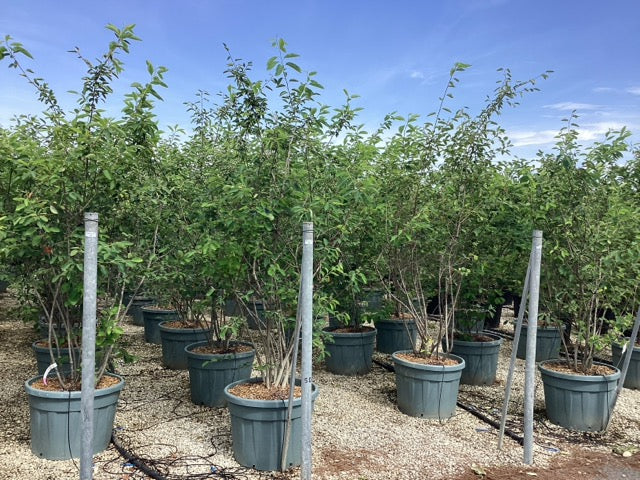
When space is limited, choosing the right tree becomes particularly important. A tree needs to be large enough to make an impact without overwhelming the garden, while ideally offering more than one season of interest. That combination is one of the reasons Amelanchier lamarckii, commonly known as Juneberry or snowy mespilus, is such a popular choice for smaller gardens. Its graceful form, spring blossom, summer berries and spectacular autumn foliage mean it has something different to offer throughout much of the year. At Tree Heritage Nursery, we supply multi-stem Amelanchier lamarckii, a particularly attractive form that works beautifully as a feature tree in smaller gardens and contemporary planting schemes. Beautiful Interest Through the Seasons One of the greatest strengths of Amelanchier is the way its appearance changes throughout the year. In spring, masses of delicate white, star-shaped flowers appear alongside young leaves that emerge with attractive bronze tones. As the season progresses, the foliage matures to green and the flowers are followed by small fruits that ripen from red to dark purple-black. Autumn brings another transformation. The foliage develops beautiful shades of orange, red and bronze before falling to reveal the tree's elegant branching structure during winter. This succession of blossom, foliage, fruit and autumn colour makes Amelanchier particularly valuable in a small garden, where every plant needs to work hard for the space it occupies. Why Multi-Stem Amelanchier Works So Well in Smaller Gardens Multi-stem trees are particularly effective where you want to create a focal point without introducing the heavier appearance of a large, dense-canopied tree. With Amelanchier lamarckii, several stems rise from close to ground level to create an open, naturally sculptural shape. The relatively light canopy allows filtered light through, helping the tree feel less imposing within a compact garden. Amelanchier can ultimately develop into a substantial large shrub or small tree, so its mature dimensions still need to be considered when choosing a planting position. Allowing sufficient space from buildings, boundaries and hard landscaping will give the tree room to develop its natural shape and reduce the need for unnecessary pruning later. Its multi-stem form looks particularly effective as a feature within a lawn, gravel garden or generously planted border. Planting Around an Amelanchier The open character of a multi-stem Amelanchier also provides opportunities for attractive underplanting. Spring bulbs can introduce colour around the base before the canopy is fully in leaf, while ferns and suitable shade-tolerant perennials can help create a softer, layered appearance as the season progresses. Keeping companion planting relatively simple allows the distinctive stems and branching structure of the Amelanchier to remain visible. This can be particularly effective in contemporary gardens, where the natural shape of the tree provides a contrast to paving, brickwork or other hard landscaping. Where Does Amelanchier Grow Best? Amelanchier lamarckii is adaptable to a range of garden conditions, although it performs particularly well in moist but well-drained soil. It can grow in acidic, neutral and alkaline soils, although slightly acidic conditions can help encourage particularly good autumn colour. It is also suitable for clay, loam and sandy soils where drainage is adequate. A position in full sun or partial shade is generally suitable. Good light can help produce the strongest flowering and autumn colour, although the tree's ability to tolerate some shade makes it useful in gardens where conditions vary throughout the day. Like most newly planted trees, Amelanchier should be watered carefully while its root system establishes, with particular attention during prolonged dry periods. A Valuable Tree for Garden Wildlife Amelanchier doesn't just provide ornamental interest. Its spring flowers are visited by bees and other pollinating insects, providing a useful food source early in the growing season. The fruits that develop later are also attractive to birds, adding another wildlife benefit to the garden. The ripe fruits are edible for people too, although birds may reach them first. Combined with its relatively open canopy, seasonal changes and attractive form, these wildlife benefits make Amelanchier a particularly versatile choice for gardens where biodiversity is part of the planting plan. Amelanchier for Homeowners and Trade Professionals Tree Heritage Nursery grows and supplies high-quality trees from its nursery in Hertford, backed by more than 50 years of experience. As well as supplying homeowners and other private customers, we work with landscape architects and designers, professional gardeners and horticulturists, commercial landscapers and property developers across the UK. Multi-stem Amelanchier can be particularly effective in professionally designed gardens, residential developments and commercial landscapes where a specimen tree is required to provide blossom, autumn colour and architectural form without the scale of a much larger tree. Order Amelanchier lamarckii Online If you're looking for a feature tree that combines beautiful spring blossom, summer foliage, berries and outstanding autumn colour, multi-stem Amelanchier lamarckii is an excellent option to consider. Order your Amelanchier online from Tree Heritage Nursery for specialist UK-wide delivery, or contact the Tree Heritage Nursery team if you have any questions about positioning, planting or choosing the right tree for your garden or landscaping project.
How Far Apart Should Pleached Trees Be Planted?
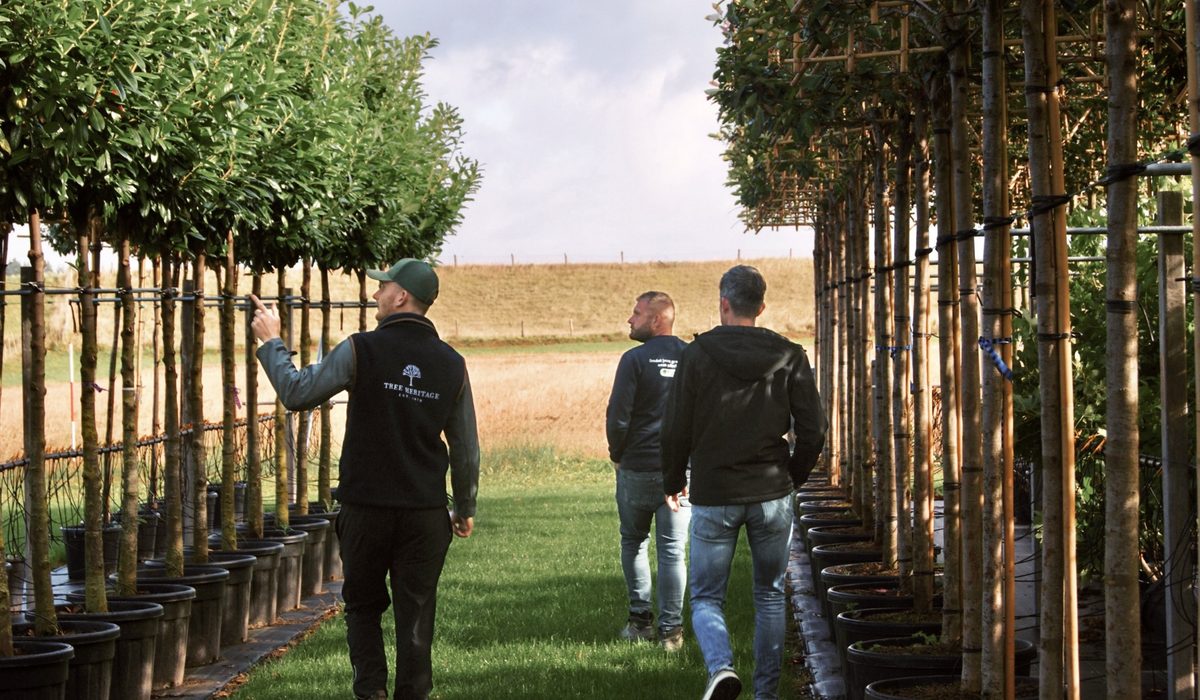
Pleached trees are one of the most effective ways to introduce height, structure and privacy into a garden without creating a dense screen at ground level. With clear stems supporting a trained rectangular canopy, they can be positioned above an existing fence or wall to help screen overlooked gardens while maintaining valuable space below. One of the most important questions when ordering pleached trees is how far apart they should be planted. The answer isn't quite as simple as giving every pleached tree the same measurement. The right spacing depends on the width of the trained frame, the size and specification of the trees and the finished appearance you want to achieve. Getting these measurements right before planting will help create a balanced, consistent screen as the trees mature. Start with the Width of the Pleached Frame When buying pre-trained pleached trees, the frame width should be your starting point for calculating planting distances. If you want the finished canopies to create a continuous screen, the trees will usually be positioned so that their frames either meet or have a relatively small, consistent gap between them. The trunks should therefore be measured centre to centre according to the width of the individual frames and your intended finished effect. For example, if the frames are 1.5 metres wide and you want them positioned edge to edge, the trunks would generally be planted approximately 1.5 metres apart, centre to centre. If you want a small visible gap between each frame, that distance would be added to the centre-to-centre measurement. This is why it's important to check the dimensions of the pleached trees you're actually ordering rather than relying on a universal spacing figure. Should You Leave Gaps Between Pleached Trees? Whether the frames should meet immediately or have a small gap between them is partly a design decision. Positioning frames close together creates a more immediate sense of continuity, which can be particularly useful when privacy is the main objective. Leaving a consistent gap gives each tree slightly more definition initially, with new lateral growth gradually helping to connect the canopies over time. Remember that the bamboo or support frame represents the trained structure of the tree when purchased. The branches will continue growing beyond it and can be trained and pruned as the screen develops. For a long row, even a small difference in spacing can become significant. It is therefore worth measuring the entire planting line and calculating the position of every trunk before digging the first hole. Does the Variety Affect Pleached Tree Spacing? Species matters when considering growth rate, foliage density, pruning and the eventual appearance of the screen, but it shouldn't replace the actual frame dimensions when calculating your initial planting positions. Tree Heritage Nursery offers several evergreen pleached options, including Pleached Photinia Red Robin, Pleached Silverberry (Elaeagnus ebbingei), Pleached Cherry Laurel and Pleached Portuguese Laurel. These are particularly useful where year-round foliage and screening are priorities. Photinia also provides colourful red new growth, while Portuguese Laurel offers smaller, more refined evergreen foliage. For a deciduous screen, Pleached Hornbeam and Pleached Beech provide a traditional formal appearance. Both can retain some of their dried foliage through winter when regularly clipped, although the amount retained will vary according to conditions. Pleached Liquidambar offers something different again, with its foliage providing particularly impressive autumn colour. Rather than changing the planting distance according to a generic rule for evergreen or deciduous trees, check the frame dimensions of your chosen specimens and plan the row accordingly. Allow Enough Room for Planting and Establishment While the appearance above ground is important, the root system needs just as much consideration. The planting area should provide enough room for the rootball or root system to be positioned correctly without being forced into an undersized hole. The surrounding soil should also be prepared so that new roots can establish beyond the original rootball. Avoid planting pleached trees too deeply. The root flare should be positioned around soil level, and the surrounding ground should be firmed carefully and watered thoroughly after planting. Also consider the proximity of walls, fences, paving and other structures. Rather than following a universal rule such as placing every pleached tree exactly 50cm from a boundary, allow sufficient room for the particular tree, its root system and future maintenance. Don't Forget Support and Staking Pleached trees have an unusual shape, with a relatively large trained canopy positioned high above the ground. This means newly planted specimens can catch the wind and may require appropriate support while their roots establish. Depending on the size of the trees and conditions of the site, a suitable staking system can help reduce movement around the rootball. Pleached and semi-mature specimens are often supported with two stakes and a crossbar during establishment. The trees should also be watered carefully after planting and during dry periods while establishing. Consistent aftercare is especially important for larger specimens. Training Pleached Trees into a Continuous Screen Once established, new lateral shoots can be trained horizontally to help neighbouring canopies connect. Flexible young growth can be carefully tied into the existing framework using suitable soft ties. Over time, this helps create the continuous elevated screen associated with established pleached planting. Regular pruning will then be required to maintain the defined shape of the canopy and prevent the screen becoming excessively deep or untidy. The time it takes individual trees to join will depend on the species, size, growing conditions and initial distance between the frames, so avoid assuming every row will form a completely continuous screen within one or two growing seasons. Pleached Trees for Homeowners and Trade Professionals Tree Heritage Nursery grows and supplies high-quality trees from its nursery in Hertford, backed by more than 50 years of experience. Alongside private customers, we supply landscape architects and designers, professional gardeners and horticulturists, commercial landscapers and property developers throughout the UK. For larger projects involving a long run of pleached trees, consistency of frame dimensions, clear stem heights and overall tree size can be particularly important. Our team can help you select suitable specimens and calculate the quantities required for your planting scheme. Order Pleached Trees Online Tree Heritage Nursery offers a carefully selected range of evergreen and deciduous pleached trees for privacy screening, boundaries, formal gardens and professional landscaping projects. Browse our pleached tree range and order online for specialist UK-wide delivery. If you're unsure how many pleached trees you need or how far apart to plant them, contact the Tree Heritage Nursery team with the length of your planting area and your preferred trees. We'll be happy to help you choose the right option and work out suitable spacing for your project.
Best Trees for Driveways and Entrances: Formal Planting Ideas
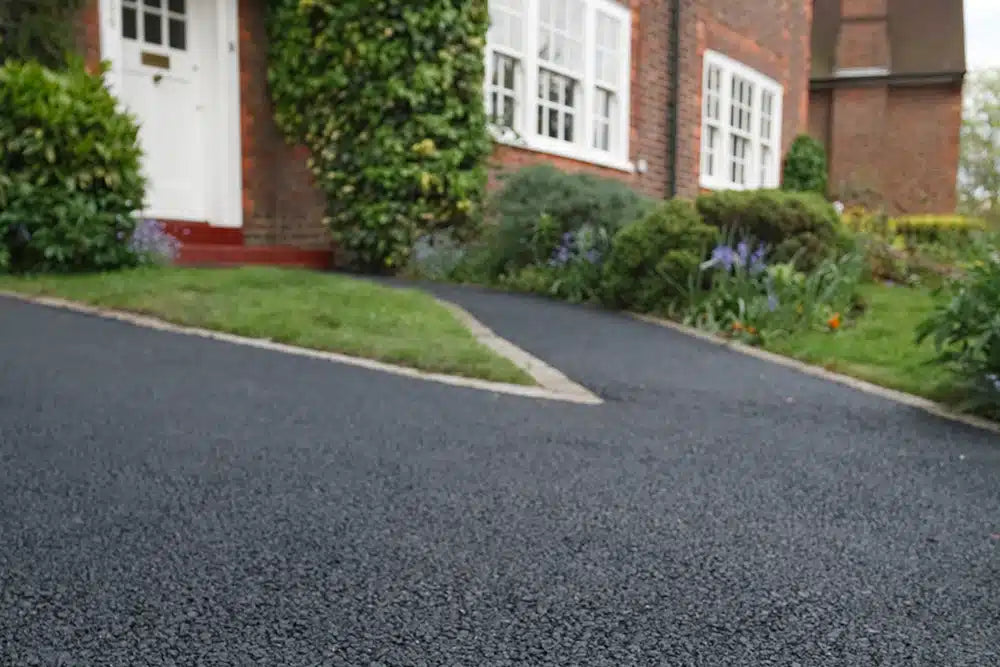
First impressions begin at the boundary, long before anyone reaches the front door. A driveway framed by carefully chosen trees can create an immediate sense of arrival, transforming a functional entrance into an important part of the overall landscape design. Formal entrance planting is about balancing visual impact with practicality. Trees need to complement the proportions of the property while leaving sufficient room for vehicles, pedestrians and surrounding planting. Repetition, symmetry and strong vertical forms can all be used to give an entrance a more considered and established appearance. Whether you're creating a traditional tree-lined driveway, framing an entrance gate or introducing privacy along an overlooked boundary, there are several ways to achieve the effect using trees from the Tree Heritage Nursery range. Create Strong Vertical Lines with Italian Cypress Where space alongside a driveway is limited, trees with naturally narrow forms can be particularly useful. Italian Cypress (Cupressus sempervirens) is an excellent example. Its tall, slender evergreen form creates a strong vertical accent without the broad canopy associated with many traditional trees. Planted symmetrically either side of an entrance, or repeated along a driveway, Italian Cypress can create a striking architectural effect. Its evergreen foliage also means the structure remains throughout winter, making it particularly effective in contemporary, Mediterranean-inspired and more formal garden designs. Italian Cypress performs best in a sunny, well-drained position and benefits from some protection from cold, drying winds, so the conditions of the site should always be considered before planting. Use Standard Evergreens for Year-Round Structure Evergreen standard trees are another useful option where year-round structure and a neat, formal appearance are required. Photinia Red Robin Standard Trees combine a defined standard form with colourful foliage. Their bright red new growth provides contrast in spring before maturing to glossy green, making them particularly effective when planted as matching specimens around entrances. Portuguese Laurel (Prunus lusitanica) and Common Laurel (Prunus laurocerasus) standards can also provide strong evergreen structure and screening, while Standard Holly (Ilex aquifolium) offers a more traditional appearance. Using matching specimens on either side of a gate, doorway or driveway can create the symmetry that is characteristic of formal landscape design. Introduce Seasonal Interest with Deciduous Tree Evergreen trees aren't the only option for creating an impressive entrance. Deciduous species can bring seasonal colour and a softer character to formal planting. Small-Leaved Lime (Tilia cordata) is a traditional avenue tree and can work particularly well where there is enough space for its eventual size. Its attractive green canopy creates a strong summer presence, while its branching structure continues to provide interest during winter. Common Hornbeam (Carpinus betulus) is another useful structural tree, responding well to pruning and providing attractive seasonal foliage. For a more ornamental entrance, Flowering Crab Apple (Malus 'Evereste') and Cherry Blossom (Prunus serrulata 'Kanzan') introduce spectacular spring blossom. Crab Apple also produces ornamental fruits later in the year, while 'Kanzan' is particularly valued for its abundant pink double flowers. The right choice depends on the scale of the driveway and whether you want the planting to feel architectural, traditional or more ornamental. Pleached Trees for Driveway Privacy If a driveway runs alongside a neighbouring property, road or boundary, pleached trees can provide additional screening without creating a dense wall of foliage at ground level. Pleached trees are trained onto a flat framework above a clear stem, creating an elevated screen sometimes described as a "hedge on stilts". This makes them particularly useful where privacy is required above an existing wall or fence. Tree Heritage Nursery supplies evergreen options including Pleached Photinia Red Robin, Pleached Silverberry, Pleached Cherry Laurel and Pleached Portuguese Laurel. These are particularly useful where year-round screening is a priority. For deciduous planting, Pleached Hornbeam, Pleached Beech and Pleached Liquidambar provide attractive alternatives. Hornbeam and Beech bring a more traditional appearance, while Liquidambar is particularly impressive in autumn when its foliage develops rich seasonal colour. The ground beneath pleached trees can also be softened with restrained companion planting. Ornamental grasses, spring bulbs or low-growing perennials can add texture and colour without detracting from the strong architectural lines above. Add Formal Definition with Privet Hedging Trees don't have to do all the work in a formal entrance scheme. Privet (Ligustrum ovalifolium) can be used alongside standard or pleached trees to create neat, defined boundaries around driveways, entrance paths and front gardens. Its dense growth responds well to regular clipping, making it easy to maintain the crisp lines and geometric shapes associated with formal garden design. Privet is generally considered semi-evergreen, so the amount of foliage it retains through winter can vary depending on the site and weather conditions. For a coordinated entrance, clipped Privet hedging can provide the lower structural layer while standard or pleached trees introduce height above it. This combination is particularly effective for framing a driveway without relying on trees alone. Consider Space, Access and Mature Size Before planting trees beside a driveway, think beyond how they look on planting day. Their mature height and spread, available rooting space, proximity to paving and buildings, and access requirements all need to be considered. Allowing adequate space between trees and hard landscaping is particularly important. Roots naturally spread as trees mature, and insufficient rooting space can create problems for both the tree and surrounding surfaces. Clear stem height should also be considered where trees are positioned close to vehicles or pedestrian routes. Rather than assuming a particular height will work in every situation, select specimens with sufficient clearance for the intended location and allow for future growth. Soil conditions, drainage, exposure and available sunlight should also influence your choice. Matching the tree to the site from the outset gives it a much better opportunity to establish successfully and develop into the balanced, uniform specimen required for formal planting. Trees for Private and Professional Landscape Projects Tree Heritage Nursery grows and supplies high-quality trees from its nursery in Hertford, drawing on more than 50 years of experience. The range includes standard evergreen and deciduous trees, multi stem specimens, pleached trees and hedging suitable for everything from private gardens to substantial landscape schemes. Alongside regular customers, Tree Heritage works with trade professionals across the UK, including landscape architects and designers, professional gardeners and horticulturists, commercial landscapers and property developers. For larger driveway, development or entrance projects, consistency between specimens can be particularly important. The Tree Heritage team can help with selecting suitable trees, quantities and specifications for professional planting schemes. Order Trees for Your Driveway or Entrance Online Whether you're framing a gateway with matching evergreen standards, creating a tree-lined driveway or introducing pleached screening along a boundary, Tree Heritage Nursery offers a wide selection of trees for formal entrance planting. Browse the range and order your trees online for specialist UK-wide delivery. If you're unsure which species, size or form will work best for your driveway or entrance, contact the Tree Heritage Nursery team on 01920 746366 for expert help choosing trees suited to your space and growing conditions.
Evergreen vs Deciduous Hedging: Which Should You Choose?
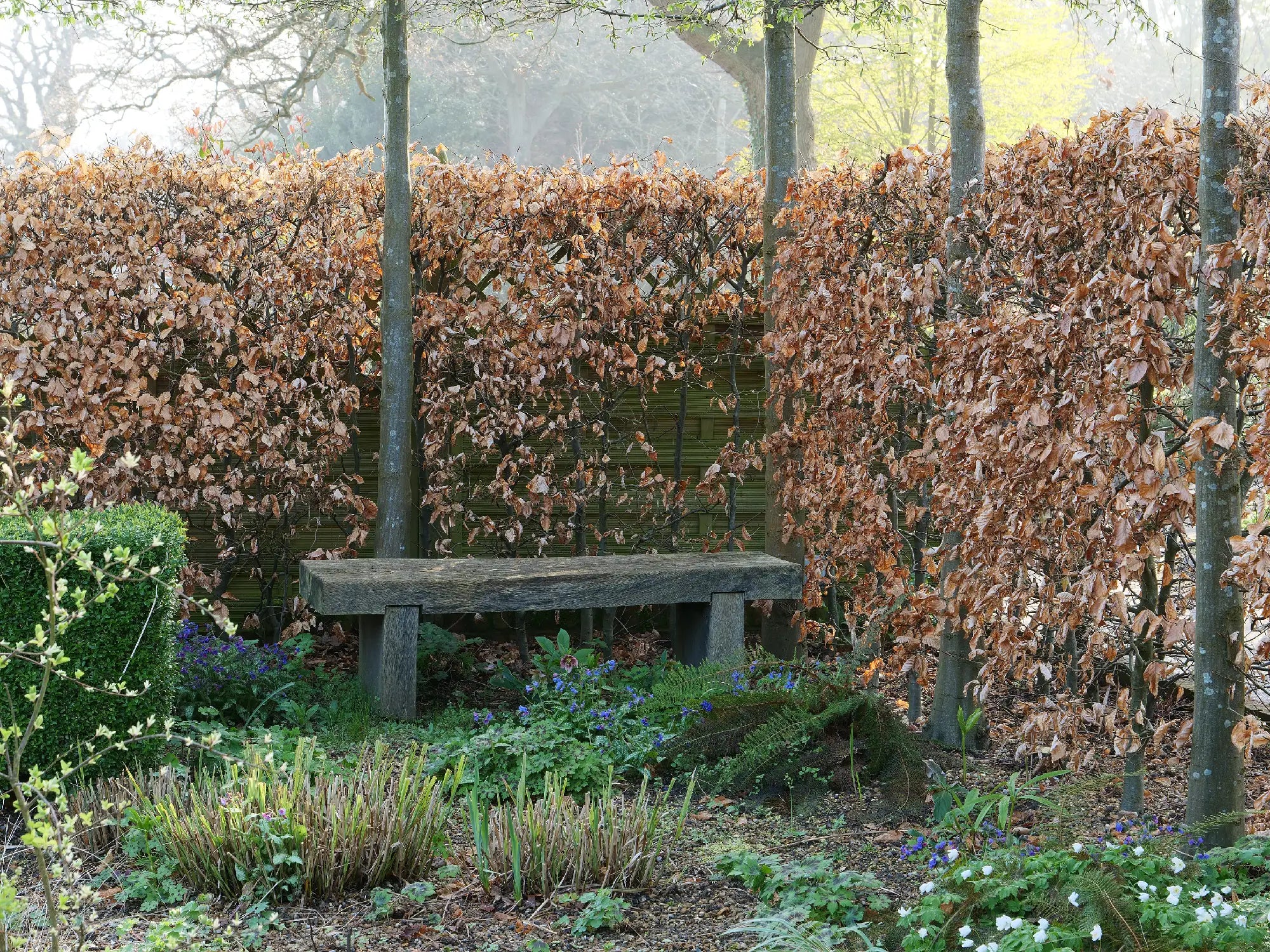
Choosing a new hedge can seem straightforward until you start comparing the different options. How much privacy do you need? Do you want colour throughout the year or seasonal change? How formal should the finished hedge look, and what growing conditions do you have? One of the biggest decisions is whether to choose evergreen or deciduous hedging. Both can create attractive, long-lasting boundaries, but they offer different characteristics throughout the seasons. Understanding these differences can help you choose a hedge that works for your garden, property, or landscaping project. At Tree Heritage Nursery, we supply a selection of evergreen and deciduous hedging plants, including options for privacy screening, formal gardens, wildlife-friendly boundaries, and larger landscape schemes. Year-Round Privacy with Evergreen Hedging If privacy is your main consideration, evergreen hedging is often the natural starting point. Because these plants retain their foliage throughout the year, they can provide consistent screening during both summer and winter. Yew (Taxus baccata) is a classic choice for formal hedging. Its dense, dark green foliage responds exceptionally well to clipping, allowing it to be maintained as a neat and precisely shaped boundary. For a fuller, leafy appearance, Common Laurel (Prunus laurocerasus) is a popular option. Its large, glossy leaves create dense coverage, making it particularly useful where screening is a priority. Portuguese Laurel (Prunus lusitanica) offers a slightly more refined alternative, with smaller evergreen leaves and attractive reddish stems. Swiss Laurel (Prunus laurocerasus 'Genolia') has a more upright, relatively narrow habit than many traditional cherry laurels, making it useful where a dense evergreen hedge is required without taking up quite as much lateral space. For something with additional colour, Photinia Red Robin combines evergreen foliage with distinctive bright red new growth, while Sweet Olive (Osmanthus burkwoodii) offers dense evergreen foliage together with small, fragrant white flowers in spring. Seasonal Character with Deciduous Hedging Deciduous hedging provides a different kind of appeal, changing noticeably as the seasons progress. Beech (Fagus sylvatica) is particularly valued for its seasonal transformation. Fresh green leaves emerge in spring before deepening through summer and turning copper-brown in autumn. When regularly clipped as a hedge, beech often retains a proportion of its dried leaves through winter, helping to provide continued screening. Hornbeam (Carpinus betulus) behaves in a similar way when clipped, often holding brown foliage during winter. It is a particularly useful hedging plant for heavier soils and creates a dense, traditional-looking boundary. For a more natural or wildlife-friendly hedge, Hawthorn (Crataegus monogyna) is an excellent choice. Its white spring flowers provide food for pollinating insects, while the red haws that develop later in the year are an important food source for birds. Its dense, thorny growth can also provide useful shelter and nesting habitat. Tree Heritage Nursery also supplies Privet (Ligustrum ovalifolium). Often described as semi-evergreen, its ability to retain leaves during winter varies according to conditions and climate. Its dense growth and tolerance of regular clipping make it a popular choice for traditional garden hedging. Which Is Better for Privacy? For consistent year-round screening, an evergreen hedge will generally have the advantage. Laurel, Portuguese Laurel, Yew, Red Robin, Swiss Laurel and Sweet Olive all retain foliage through winter, helping to keep boundaries screened when deciduous trees and plants have lost their leaves. However, that doesn't necessarily make evergreen the right choice for every garden. Beech and Hornbeam can offer substantial screening when regularly clipped due to their tendency to retain some dried foliage through winter, while providing much more obvious seasonal change. The decision therefore depends on the effect you want to achieve. A contemporary garden requiring reliable privacy might benefit from a clipped evergreen hedge, while Beech, Hornbeam or Hawthorn may feel more at home within a traditional or naturalistic landscape. Consider the Conditions in Your Garden The appearance of a hedge is important, but its growing conditions matter just as much. Soil type, drainage, sunlight, exposure, and available space should all influence your choice. Hornbeam, for example, is generally more tolerant of heavier, damper soils than Beech, although neither should be treated as a plant for permanently waterlogged ground. Yew is adaptable to many soils but requires reasonable drainage, while Laurel is widely grown in a range of conditions and can tolerate some shade. Photinia Red Robin usually produces its strongest colourful new growth in good light, while Portuguese Laurel is a versatile option for many garden situations. Taking the time to match the species to the site will help produce a healthier, denser hedge and reduce maintenance problems as it matures. Combining Evergreen and Deciduous Planting You don't necessarily have to choose one type of hedging throughout an entire garden. Evergreen hedging can be positioned where permanent screening is particularly important, such as around seating areas, patios, or overlooked boundaries. Deciduous hedging can then be introduced elsewhere to create seasonal variation and a softer, more natural appearance. You can also add another layer of interest through nearby planting. Spring bulbs, ornamental grasses and flowering perennials can soften the base of a formal hedge and introduce additional colour without distracting from the main boundary. Using a combination of planting styles can help a larger garden or landscape feel more varied while ensuring each area serves a practical purpose. Hedging for Homeowners and Trade Professionals Tree Heritage Nursery supplies high-quality hedging plants to private customers and trade professionals throughout the UK. Our professional customers include landscape architects and designers, professional gardeners and horticulturists, commercial landscapers, and property developers. With over 50 years of experience and stock grown at our nursery in Hertford, our team understands the importance of choosing plants that are appropriate for both the site and the intended landscape design. Whether you need hedging for a private garden, a development, or a larger commercial landscaping scheme, we can help you select suitable species and quantities for your requirements. Order Evergreen and Deciduous Hedging Online Whether you're looking for year-round evergreen privacy, the seasonal character of deciduous hedging, or a combination of the two, Tree Heritage Nursery offers a wide selection of high-quality hedging plants for projects across the UK. Browse and order our hedging plants online for UK-wide delivery, or contact the Tree Heritage Nursery team if you have any questions. Our experienced team will be happy to help you choose the right hedging for your garden, property, or professional landscaping project.
Layering Trees and Hedging for a Professional Landscape Look
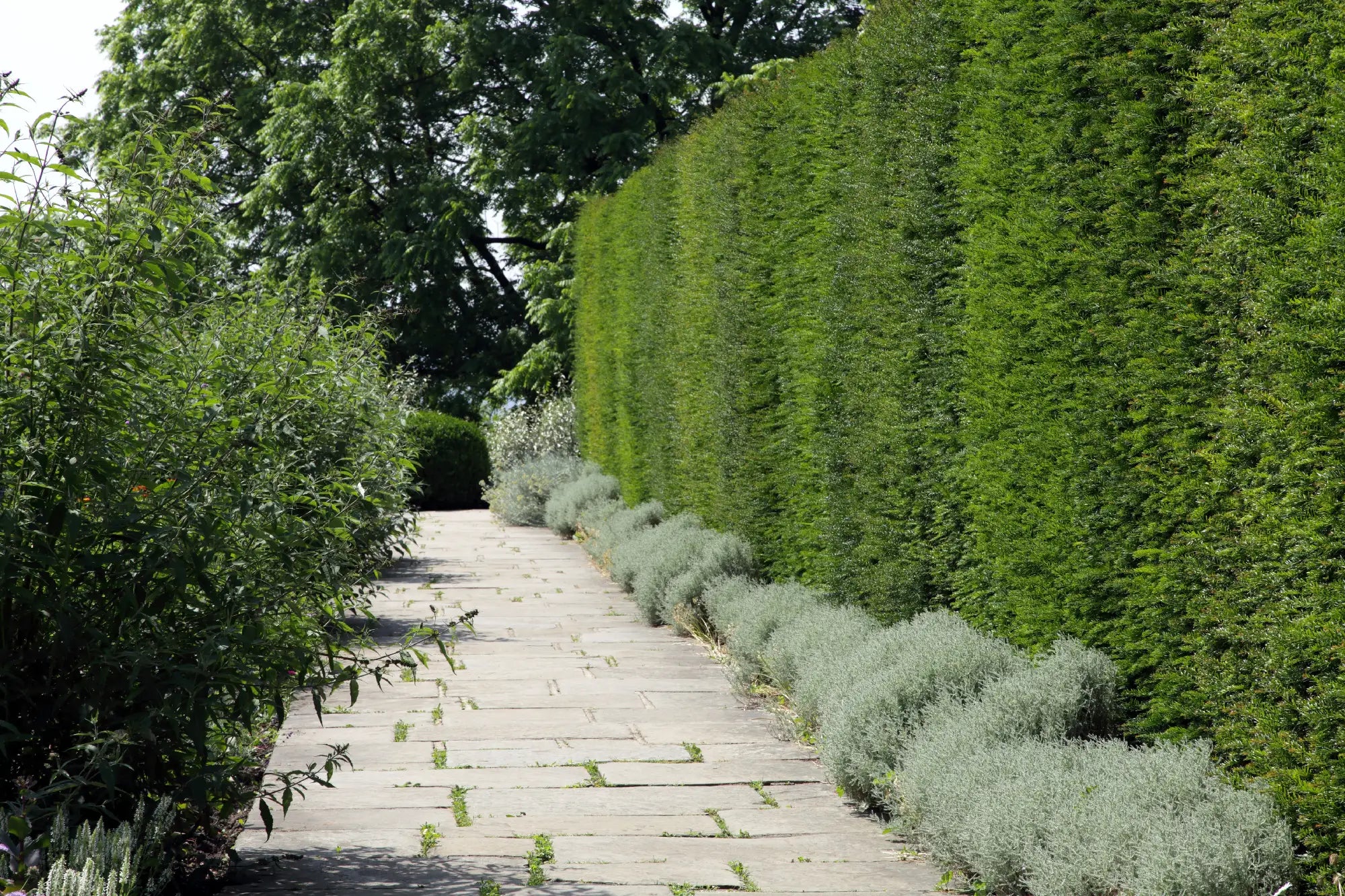
Many gardens can feel flat or one-dimensional when the planting is limited to a single row of trees or hedging along the boundary. While this approach may provide privacy, it often lacks the depth, texture, and seasonal interest that give professionally designed landscapes their distinctive appearance. Professional landscape designers create interest by combining different heights, forms, and planting styles. By layering hedging with specimen trees and complementary planting, you can create a garden that feels larger, more balanced, and visually appealing throughout the year. At Tree Heritage Nursery, we supply a wide range of trees and hedging suitable for creating layered planting schemes, whether you're transforming a private garden or delivering a commercial landscaping project. Start with a Strong Evergreen Framework Every successful layered landscape begins with a reliable backdrop. Evergreen hedging provides year-round structure, screening, and shelter while creating an attractive background for feature trees planted in front. Species such as Common Laurel (Prunus laurocerasus), Portuguese Laurel (Prunus lusitanica) and Yew (Taxus baccata) are excellent choices for creating dense green boundaries. Photinia Red Robin adds another dimension with its vibrant red spring growth, bringing seasonal colour while maintaining privacy throughout the year. A strong evergreen backdrop also allows ornamental trees and flowering plants in the foreground to stand out, creating greater depth across the garden. Add Height with Feature Trees Once the framework is established, specimen trees introduce height, shape, and seasonal interest. Rather than planting everything in a straight line, positioning trees at varying distances from the hedge creates a more natural sense of depth and allows each specimen room to shine. For formal landscapes, Small-Leaved Lime, Common Hornbeam, and Italian Cypress provide strong architectural structure and elegant vertical lines. If you're looking for ornamental interest, Amelanchier lamarckii, Flowering Crab Apple (Malus 'Evereste'), Cherry Blossom (Prunus serrulata 'Kanzan'), and Evergreen Magnolia (Magnolia grandiflora) offer beautiful blossom, attractive foliage, autumn colour, or evergreen presence depending on the season. Multi stem trees such as Himalayan Birch, Japanese Maples, Paperbark Maple, and Kousa Dogwood make particularly striking focal points thanks to their sculptural branching and year-round character. Use Pleached Trees to Define Spaces Pleached trees are an excellent way to introduce another layer into the landscape. Their raised framework creates privacy above eye level while leaving the space beneath open and uncluttered. Species including Pleached Hornbeam, Pleached Beech, Pleached Photinia Red Robin, Pleached Portuguese Laurel, Pleached Cherry Laurel, Pleached Silverberry, and Pleached Liquidambar can be used to frame terraces, line driveways, define outdoor dining areas, or soften modern boundaries. Underplanting pleached trees with ornamental grasses, lavender, salvias or spring-flowering bulbs helps soften their formal appearance while introducing colour, texture, and movement throughout the seasons. Complete the Design with Layered Planting The most successful landscapes combine trees with lower layers of planting to create a balanced composition. Beneath specimen trees, shade-tolerant perennials, ferns, hostas, or heucheras can soften the base of the trunks, while sunny borders can be enhanced with ornamental grasses, catmint, salvias, and flowering perennials. Spring bulbs such as snowdrops, crocuses, daffodils, and alliums also work beautifully beneath deciduous trees, bringing colour before the canopy fully develops. These complementary plants help tie the entire landscape together, ensuring there is interest from ground level right through to the tree canopy. Grown by Experts at Tree Heritage Nursery At Tree Heritage Nursery, our trees and hedging are grown at our nursery in Hertford by experienced horticultural specialists with over 50 years of growing expertise. Every tree is carefully cultivated to develop strong root systems and healthy growth, ensuring it establishes successfully in gardens and landscape projects across the UK. Supporting Homeowners and Trade Professionals Alongside supplying private customers, Tree Heritage Nursery works with landscape architects and designers, professional gardeners and horticulturists, commercial landscapers, and property developers throughout the UK. Whether you're creating a new garden, specifying planting for a commercial development, or sourcing trees for a large landscaping scheme, our experienced team can help you select the right combination of trees and hedging for your project. If you're looking for a particular variety that isn't currently listed on our website, please get in touch, as we may be able to source it through our specialist network. Order Trees and Hedging Online Tree Heritage Nursery offers a carefully selected range of trees and hedging, all available to order online with UK-wide delivery via specialist courier vans. If you have any questions about choosing the right trees or hedging for your garden or landscaping project, our team is always happy to help. Browse our range online or contact us on 01920 746366 for expert advice on selecting the perfect plants for your space.
Using Multi Stem Trees as Garden Focal Points
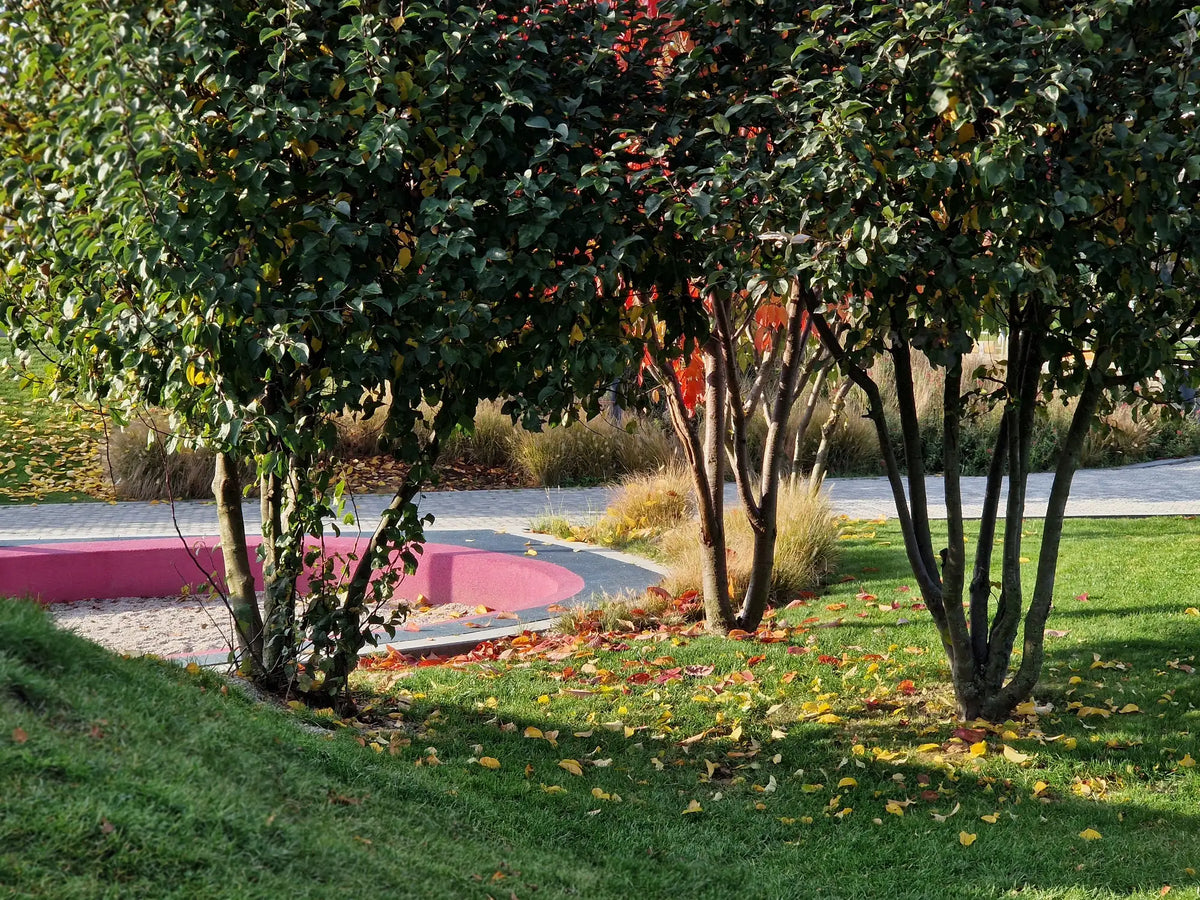
When people picture a tree in the garden, they often imagine a single straight trunk supporting a neatly shaped canopy. While this classic form has its place, many contemporary gardens benefit from something with a little more character and architectural interest. Multi stem trees have become increasingly popular because they create an immediate focal point. With several stems rising gracefully from the base, they introduce texture, movement, and natural form that can transform both modern and traditional landscapes. Whether planted as a standalone specimen or incorporated into a wider planting scheme, they offer visual interest throughout the year. The Natural Beauty of Multi Stem Trees Unlike standard trees, multi stem specimens create a softer, more organic silhouette. Their open structure allows light to filter through the canopy while the multiple trunks create depth and visual interest from every angle. This makes them particularly effective in gardens where you want to add height without creating an overly dense or imposing feature. They can also provide a degree of natural screening while maintaining an open and spacious feel. Because the branching begins close to ground level, multi stem trees naturally draw the eye and often become the centrepiece of a planting scheme. Year-Round Interest One of the biggest advantages of multi stem trees is the way they change with the seasons, ensuring there is always something to enjoy. Amelanchier lamarckii is a wonderful example, producing delicate white blossom in spring, followed by edible berries, fresh green foliage through summer, and vibrant shades of orange and red in autumn. Himalayan Birch (Betula utilis) is prized for its striking white peeling bark, which becomes particularly eye-catching during winter once the leaves have fallen. For exceptional autumn colour, Japanese Maples (Acer palmatum 'Sango Kaku' and 'Atropurpureum') provide elegant foliage that changes dramatically through the seasons, while Paperbark Maple (Acer griseum) offers beautiful cinnamon-coloured peeling bark that creates year-round visual interest. If you're looking for flowering interest, Kousa Dogwood (Cornus kousa 'China Girl') produces elegant white bracts during early summer, followed by attractive ornamental fruits and colourful autumn foliage. Tree Heritage Nursery also offers evergreen multi stem options, including Portuguese Laurel (Prunus lusitanica), Sweet Olive (Osmanthus burkwoodii), and Variegated Holly (Ilex aquifolium 'Variegatum'), providing structure and colour throughout the year. Making the Most of Your Feature Tree Multi stem trees work particularly well when given space to showcase their natural shape. Positioning them within a lawn, gravel garden, or generous planting border allows the distinctive trunks to become a feature in their own right. Underplanting with bulbs, ornamental grasses, or shade-tolerant perennials can help soften the base while drawing attention to the elegant framework above. Garden lighting can also transform the appearance of a multi stem tree after dark, highlighting the branching structure and bark textures to create an impressive evening feature. Grown by Experts at Tree Heritage Nursery At Tree Heritage Nursery, our multi stem trees are grown at our nursery in Hertford by experienced horticultural specialists with over 50 years of growing knowledge. Our background in arboriculture and landscaping means we understand what makes a high-quality specimen, from balanced branching to healthy root development. We carefully select and cultivate every tree to ensure it is ready to establish successfully in gardens and landscape projects throughout the UK. Supporting Homeowners and Trade Professionals Alongside supplying private customers, Tree Heritage Nursery works with trade buyers across the UK, including Landscape Architects and Designers, Professional Gardeners and Horticulturists, Commercial Landscapers, and Property Developers. Whether you are looking for a single feature tree or sourcing multiple specimens for a larger landscaping scheme, our experienced team can help you choose the right trees for your project. Order Multi Stem Trees Online Our range of multi stem trees is available to order online with UK-wide delivery via specialist courier vans, ensuring every tree arrives safely and ready for planting. If you have any questions about selecting the right multi stem tree for your garden or project, please contact the Tree Heritage Nursery team on 01920 746366. We will be happy to offer expert advice and help you find the perfect tree for your space.
How to Plant Bare Root Hedging (Step-by-Step Guide)
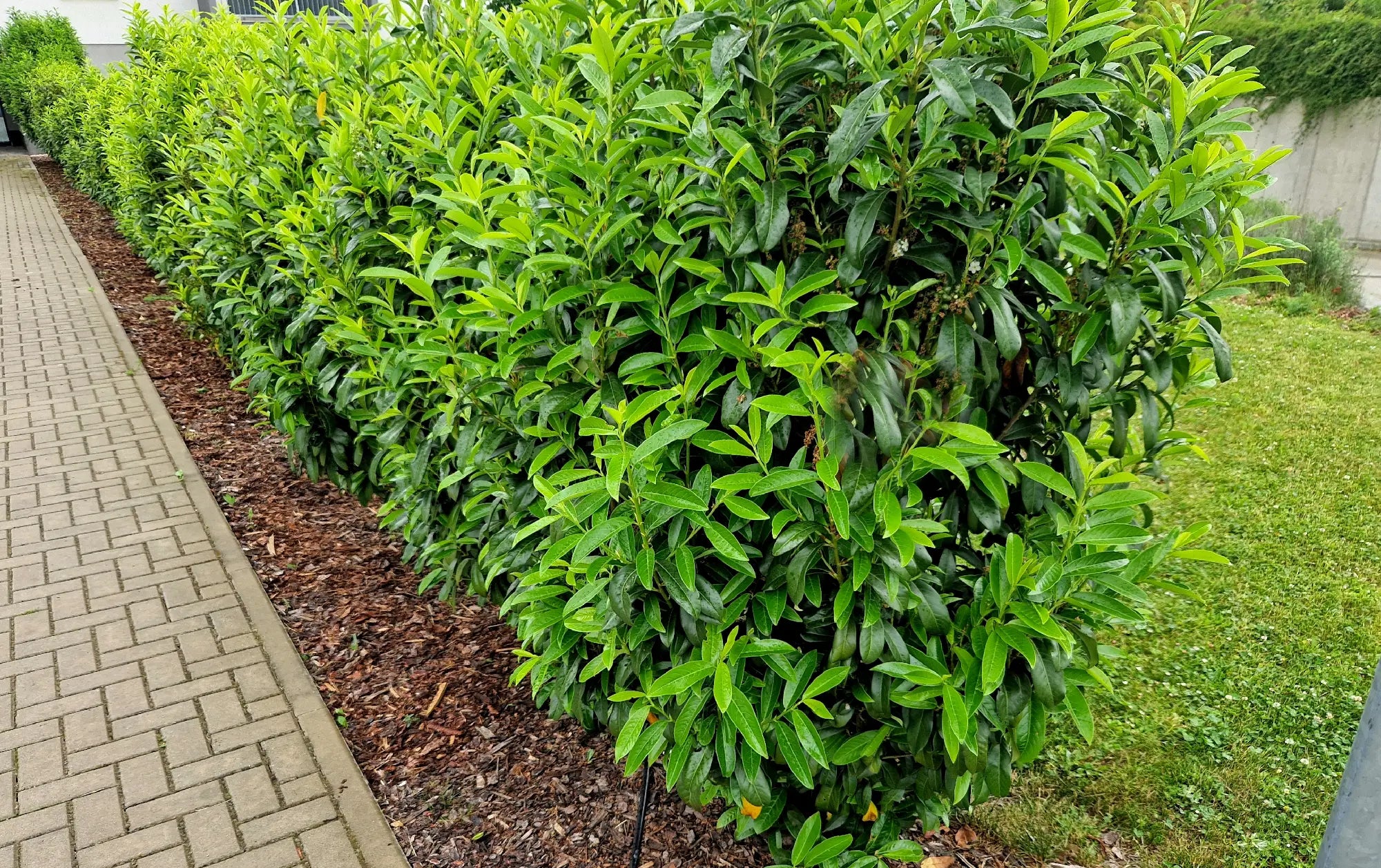
Bare root hedging remains one of the most cost-effective and environmentally friendly ways to establish a new hedge. Popular with homeowners, landscapers, developers, and landowners alike, bare root plants offer an economical solution for creating attractive boundaries, wildlife habitats, and privacy screens. At Tree Heritage Nursery, we supply a range of hedging plants suitable for both domestic and commercial projects across the UK. Native species such as Hawthorn, Hornbeam, and Beech are particularly popular for bare root planting, helping to create long-lasting and natural-looking hedgerows. While bare root hedging is relatively straightforward to plant, careful preparation and aftercare will help ensure successful establishment and healthy growth for years to come. Prepare the Ground Before Planting Successful hedging starts with good ground preparation. Before planting, remove weeds, grass, and other competing vegetation from the planting area. Young hedge plants need access to moisture, nutrients, and light as they establish, and excessive competition can slow growth significantly. Once the area has been cleared, loosen the soil along the hedge line. This will make it easier for roots to spread and establish. If the soil is particularly compacted or lacking organic matter, incorporating well-rotted compost or soil improver can help improve growing conditions. Taking the time to prepare the site properly often results in stronger growth and a healthier hedge during the first few years after planting. Handle Bare Root Plants Carefully Bare root hedging is typically planted during the dormant season, from late autumn through to early spring. During this period, plants can be lifted and transported without soil around their roots, making them more affordable and easier to handle. Although dormant, the roots should never be allowed to dry out. If planting cannot take place immediately after delivery, keep the roots covered and stored in a cool, sheltered location. For longer delays, plants can be temporarily heeled into loose soil until they are ready to be planted. Maintaining moisture around the roots before planting is one of the most important factors in ensuring successful establishment. Dig a Suitable Planting Trench For longer hedges, digging a continuous trench is often quicker and more practical than creating individual planting holes. The trench should be wide enough to accommodate the root systems comfortably without bending or crowding them. When planting, it is important not to position plants too deeply. A useful guide is to identify the soil mark on the stem where the plant was previously growing. This should generally sit level with the surrounding ground once planted. Correct planting depth encourages healthy root development and reduces the risk of future problems. Spacing and Planting The ideal spacing will depend on the species being planted and the type of hedge you want to create. For native hedging species such as Hawthorn (Crataegus monogyna), Hornbeam (Carpinus betulus), and Beech (Fagus sylvatica), closer spacing typically produces a denser hedge more quickly. Wider spacing may be suitable where a more informal boundary is desired. As each plant is positioned, spread the roots naturally within the trench before backfilling with soil. Firm the soil gently around the roots to remove air pockets and create good root-to-soil contact, taking care not to over-compact the ground. Watering and Early Aftercare Although bare root plants are installed during the dormant season, watering remains important. After planting, water thoroughly to settle the soil around the roots and remove any remaining air pockets. During the first growing season, monitor soil moisture regularly, particularly during dry periods in spring and summer. Newly planted hedges are often more vulnerable to drought stress than established specimens. Keeping the area around the hedge free from weeds can significantly improve establishment rates. Applying a mulch around the base of the plants can also help retain moisture and suppress unwanted weed growth. Give Your Hedge Time to Establish Newly planted bare root hedging can appear sparse initially, particularly during the first season after planting. This is completely normal. Much of the plant's energy during the early stages is directed towards root development rather than visible top growth. As the root system establishes, the plants will gradually fill out and begin to knit together into a dense and attractive hedge. With proper planting and routine maintenance, species such as Hawthorn, Hornbeam, and Beech can provide decades of structure, privacy, and wildlife value. Supporting Trade and Professional Projects Tree Heritage Nursery works with a wide range of trade buyers across the UK, including landscape architects and designers, professional gardeners and horticulturists, commercial landscapers, and property developers. Whether you are planting a residential boundary, a commercial development, or a large-scale landscaping scheme, our team can assist with species selection, quantities, and delivery arrangements to help ensure your project runs smoothly. Order Hedging Plants Online with UK-Wide Delivery At Tree Heritage Nursery, we supply a carefully selected range of high-quality hedging plants suitable for gardens, estates, developments, and commercial landscaping projects throughout the UK. You can order online for convenient nationwide delivery, or contact our experienced team if you have any questions about choosing the right hedging plants for your project. We are always happy to provide expert advice and help you find the most suitable solution for your planting requirements.

Best Trees for Formal Gardens: Lime, Hornbeam & Pleached Options
Formal gardens have a certain presence about them. Even when they are relatively simple in design, there is often a sense of structure and balance that makes the space feel considered. Trees play an important role in achieving that effect. The right choice can frame a view, create symmetry, define spaces, and provide year-round interest without overwhelming the garden itself. At Tree Heritage Nursery, we supply a carefully selected range of high-quality trees to customers across the UK. When planning a formal garden, several options consistently stand out due to their structure, reliability, and ability to respond well to pruning and training. These include Small-Leaved Lime, Hornbeam, Beech, and a range of pleached trees that provide both architectural impact and practical screening. Why Tree Selection Matters in Formal Gardens Formal gardens are built around balance, proportion, and repetition. Unlike naturalistic planting schemes, where individual character often takes precedence, formal designs rely on structure and consistency. Trees frequently act as living architectural features, helping to establish strong lines and create focal points throughout the landscape. Whether used to line a driveway, frame a lawn, define a boundary, or create symmetry around a property, the right species can have a significant impact on the overall appearance of a garden. For this reason, trees that respond well to shaping, clipping, and training have remained staples of formal garden design for centuries. The Timeless Appeal of Lime Trees Small-Leaved Lime (Tilia cordata) has long been associated with traditional formal landscapes. It is commonly used in avenues, parkland settings, and larger gardens where its elegant shape and dependable growth habit can be fully appreciated. One of the reasons for its enduring popularity is its ability to tolerate pruning and formative shaping. During the growing season, lime develops a dense canopy of attractive green foliage, while in winter its branching framework continues to provide structure and visual interest. Lime trees also bring a sense of maturity and permanence to a garden. They complement both traditional and contemporary settings, making them a versatile choice for a wide range of formal planting schemes. Hornbeam Offers Structure and Flexibility Hornbeam (Carpinus betulus) is one of the most versatile trees available for formal gardens. It responds exceptionally well to clipping and shaping, making it suitable for avenues, screening, and structured planting designs. A particularly useful characteristic of hornbeam is its tendency to retain its copper-brown leaves through much of the winter when maintained as a clipped form. This provides additional seasonal interest and a degree of privacy when many other deciduous species are bare. Its adaptability to different soil conditions and strong growth habit have made it a popular choice among landscape professionals and homeowners alike. The Advantages of Pleached Trees Pleached trees have become increasingly popular in both domestic and commercial landscapes. Trained onto a framework above a clear stem, they create a raised screen of foliage that provides privacy and structure without occupying excessive ground space. At Tree Heritage Nursery, our pleached range includes both evergreen and deciduous options, allowing customers to select the right solution for their project. For year-round screening, Pleached Photinia Red Robin, Pleached Cherry Laurel, Pleached Portuguese Laurel, and Pleached Silverberry (Elaeagnus ebbingei) provide dense evergreen foliage and consistent privacy throughout the seasons. Pleached Photinia is particularly popular thanks to its vibrant red spring growth, while Portuguese Laurel offers a more refined appearance with smaller leaves and attractive dark stems. For seasonal interest, Pleached Hornbeam, Pleached Beech, and Pleached Liquidambar offer a more traditional aesthetic. Beech and hornbeam retain much of their copper-coloured foliage through winter, while Liquidambar delivers spectacular autumn colour in shades of red, orange, and purple. Pleached trees are ideal for creating outdoor rooms, screening neighbouring properties, defining boundaries, and adding height to gardens without the bulk of a traditional hedge. Other Trees Well Suited to Formal Landscapes While lime, hornbeam, and pleached trees are among the most popular choices for formal gardens, several other species can also contribute to structured planting schemes. Italian Cypress (Cupressus sempervirens) provides strong vertical accents and is often used to create focal points or frame entrances. Its narrow, upright habit works particularly well in contemporary formal designs. Evergreen Magnolia (Magnolia grandiflora) combines year-round foliage with large, fragrant white flowers, making it an excellent feature tree where a more ornamental appearance is desired. For gardens seeking seasonal interest alongside structure, Flowering Crab Apple (Malus 'Evereste') and Cherry Blossom (Prunus serrulata 'Kanzan') can provide stunning spring displays while maintaining a strong framework throughout the year. Supporting Trade and Professional Projects In addition to supplying homeowners, Tree Heritage Nursery works closely with trade buyers throughout the UK. Our customers include landscape architects and designers, professional gardeners and horticulturists, commercial landscapers, and property developers. We understand the importance of consistent quality, reliable supply, and expert advice when delivering professional planting schemes. Whether you require a single specimen tree or a larger quantity for a commercial project, our experienced team can help source the right trees for your requirements. Order Online with UK-Wide Delivery All of our trees are available to order online with delivery throughout the UK via specialist courier vans. Every tree is carefully prepared and transported to ensure it arrives in excellent condition and ready for planting. If you have any questions about selecting the right trees for your formal garden or landscaping project, please contact the Tree Heritage Nursery team. We are always happy to provide expert advice and help you find the perfect trees for your space.
Creating Natural Habitats with Mixed Hedging
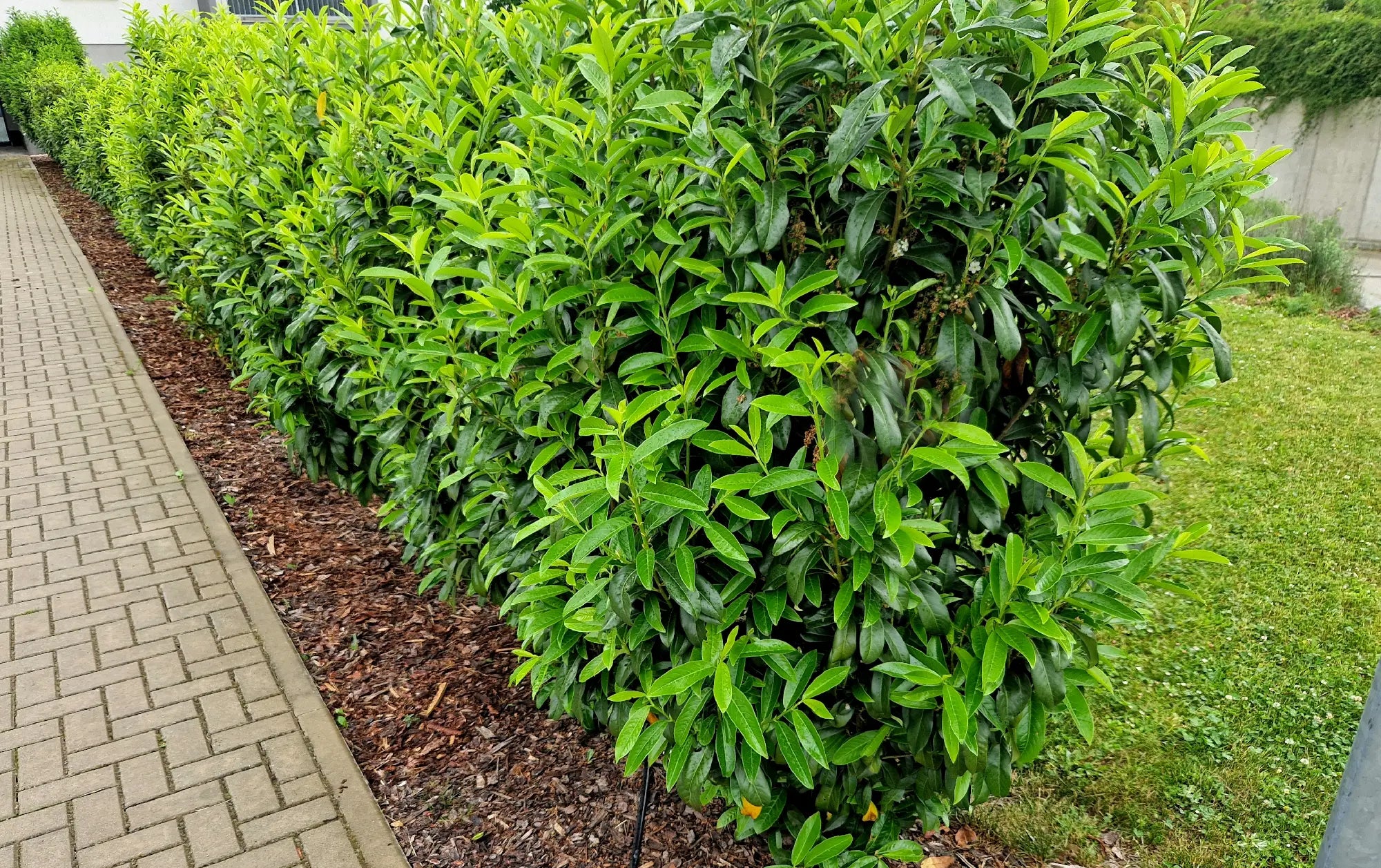
Mixed hedging is one of the most effective ways to introduce biodiversity, privacy, and year-round structure into a garden or landscape project. Unlike a single-species hedge or traditional fencing, a mixed hedge creates a layered and natural environment that supports wildlife while also providing seasonal colour, texture, and screening. As the hedge develops over time, it becomes far more than a simple boundary. Flowers, berries, evergreen foliage, and changing leaf colour all contribute to a landscape that evolves throughout the seasons while providing valuable shelter and food sources for birds, pollinators, and small mammals. At Tree Heritage Nursery, we supply a wide range of evergreen and deciduous hedging plants suitable for creating natural-looking boundaries and wildlife-friendly planting schemes, with UK-wide delivery available for both private and trade customers. Supporting Wildlife with Mixed Hedging One of the greatest advantages of mixed hedging is the variety of habitats it creates. Different plant species flower, fruit, and grow at different times of the year, helping to support wildlife across multiple seasons. Native species such as Hawthorn (Crataegus monogyna) are particularly valuable for biodiversity. Hawthorn blossom attracts pollinating insects in spring, while the red haws produced later in the year provide food for birds and small mammals through autumn and winter. Beech (Fagus sylvatica) and Hornbeam (Carpinus betulus) hedging also offer excellent shelter and nesting opportunities due to their dense branching structure. Although deciduous, both species often retain their dried copper-coloured leaves throughout winter when clipped as hedges, helping to maintain screening and habitat during colder months. Evergreen hedging plants can add further year-round protection and structure. Species such as Portuguese Laurel (Prunus lusitanica), Common Laurel (Prunus laurocerasus), and Yew (Taxus baccata) provide dense foliage that creates valuable cover for wildlife throughout the year. A More Natural and Seasonal Landscape Mixed hedging brings a softer and more natural appearance compared to uniform fencing or single-species planting. By combining evergreen and deciduous varieties, it is possible to create boundaries that change visually through the seasons while still maintaining privacy and structure. Spring blossom from plants such as hawthorn and ornamental species introduces early seasonal interest and supports pollinators. During summer, varied foliage textures and shades of green create depth and movement within the landscape. In autumn, deciduous hedging such as beech and hornbeam develops warm tones of bronze and copper, adding colour before winter arrives. Evergreen plants including Photinia Red Robin can also introduce additional contrast, with vibrant red new growth appearing in spring before maturing into glossy green foliage. This seasonal variation helps gardens and landscapes feel more connected to the natural environment while avoiding the flat appearance of a single-species hedge. Practical Benefits Beyond Screening In addition to their ecological and visual value, mixed hedges are highly practical. They can be used to define boundaries, improve privacy, reduce wind exposure, and soften hard landscaping within both domestic and commercial spaces. Unlike solid fencing, hedging helps filter wind rather than deflecting it completely, creating more comfortable outdoor environments. Dense planting can also assist with reducing dust and absorbing some roadside noise, particularly in urban or roadside settings. Because mixed hedges combine species with different growth habits and strengths, they can also become more resilient over time, helping to create durable and long-lasting planting schemes. Hedging Plants for Gardens and Commercial Projects At Tree Heritage Nursery, we grow and supply a carefully selected range of hedging plants suitable for gardens, developments, and commercial landscaping projects across the UK. Our stock is grown at our nursery in Hertford by experienced horticultural specialists with decades of practical knowledge in growing and landscape planting. We work with homeowners as well as trade buyers including landscape architects, professional gardeners, commercial landscapers, and property developers. Whether you are planting a short garden boundary or a large-scale landscape scheme, our team can help you select suitable hedging combinations for your project. If you are unable to find the exact plants you require, please get in touch, as we may be able to source additional species or quantities through our specialist network. Hedging Plants Delivered Across the UK Tree Heritage Nursery offers a wide selection of evergreen, deciduous, and native-style hedging plants available to order online with UK-wide delivery via specialist courier vans. If you are looking to create a more natural, wildlife-friendly boundary for your garden or landscape project, our team is always happy to provide advice on selecting the right hedging plants for your space.
Top Trees for Pollinators in UK Gardens
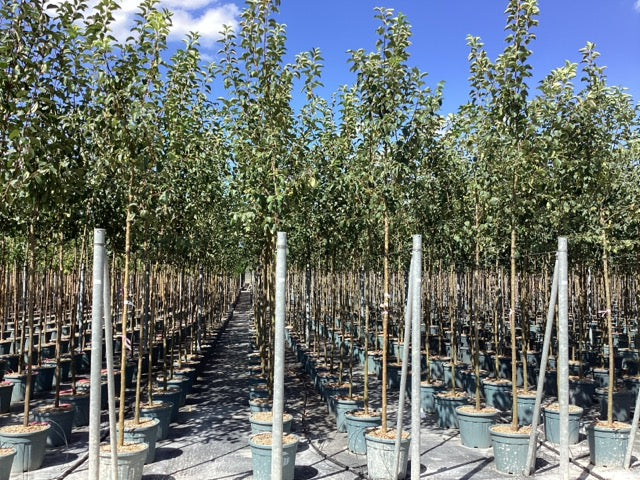
Pollinators such as bees, butterflies, hoverflies, and other beneficial insects play a vital role in supporting healthy gardens and ecosystems across the UK. One of the most effective ways to encourage pollinators into your outdoor space is by planting trees that provide reliable sources of nectar, pollen, berries, and shelter throughout the seasons. While flowering borders and wildflowers are often associated with pollinator-friendly gardening, trees can provide an even greater ecological benefit due to the sheer volume of blossom they produce. A single mature tree can support thousands of pollinating insects during its flowering period, helping to create a healthier and more biodiverse garden environment. At Tree Heritage Nursery, we grow and supply a wide range of ornamental, evergreen, and native-inspired trees suitable for wildlife-friendly planting schemes, with delivery available across the UK. Early Spring Blossom for Emerging Pollinators One of the most important periods for pollinators is early spring, when insects emerge from winter with limited food sources available. Trees that flower early in the season can provide essential nectar and pollen at a critical time of year. Cherry Blossom (Prunus serrulata ‘Kanzan’) is one of the most recognisable spring flowering trees, producing masses of pink blossom that attract bees and other pollinating insects. For smaller gardens or more naturalistic planting, Amelanchier lamarckii is another excellent option. Its delicate white spring flowers are highly attractive to pollinators, while later in the year it develops edible berries and vibrant autumn foliage. Flowering Crab Apple (Malus ‘Evereste’) is particularly valuable for wildlife. Its abundant spring blossom provides a rich nectar source for bees, while the small ornamental fruits that follow help support birds during autumn and winter. By incorporating early flowering trees into your garden, you can help sustain pollinator populations from the very start of the growing season. Trees That Support Wildlife Throughout the Seasons Some trees provide benefits to pollinators beyond spring flowering alone. Species that produce berries, dense foliage, or extended flowering periods can help create a more complete habitat for wildlife throughout the year. Holly (Ilex aquifolium) is especially beneficial in this regard. Its spring flowers are attractive to pollinating insects, while the berries that develop later in the year provide an important food source for birds. Both the standard and multi-stem forms also offer dense evergreen shelter for nesting wildlife. Photinia Red Robin is another useful evergreen option. While often chosen for its vibrant red foliage and screening qualities, it also produces clusters of small white flowers in spring that attract bees and hoverflies. For more structured or formal gardens, Portuguese Laurel (Prunus lusitanica) and Common Laurel (Prunus laurocerasus) can provide evergreen cover and seasonal flowering, helping to support insects while also creating year-round privacy. Pollinator-Friendly Trees for Larger Gardens and Landscapes Larger trees can have a particularly significant impact on biodiversity due to the scale of their flowering canopy. Small-Leaved Lime (Tilia cordata) is widely regarded as one of the best trees for bees in the UK. During summer, its fragrant pale-yellow flowers attract huge numbers of pollinating insects, often creating a noticeable hum beneath the canopy. Hawthorn (Crataegus monogyna), available as hedging, is another valuable wildlife plant. Its spring blossom supports pollinators, while the red haws that appear later in the year are enjoyed by birds and small mammals. Native hedging such as hawthorn also creates important shelter and nesting habitats. For year-round structure and shelter, evergreen species such as Yew (Taxus baccata) and Scots Pine (Pinus sylvestris) can contribute to a more balanced ecosystem by providing cover and protection during colder months. Creating a Biodiverse Garden Environment The most successful wildlife-friendly gardens are those that provide a variety of planting types and flowering periods. Combining ornamental trees, evergreen screening, native hedging, and multi-stem specimens creates a layered environment that supports insects, birds, and other wildlife across the seasons. At Tree Heritage Nursery, our trees are grown at our nursery in Hertford by experienced horticultural specialists with decades of practical growing and landscaping knowledge. We supply both private customers and trade buyers across the UK, including landscape architects, professional gardeners, commercial landscapers, and property developers. Whether you are planting a single ornamental tree or designing a larger biodiversity-focused landscape scheme, selecting pollinator-friendly trees is a simple way to create a more vibrant and environmentally beneficial outdoor space. Pollinator-Friendly Trees Delivered Across the UK If you are looking to create a garden that supports bees, butterflies, and other beneficial wildlife, Tree Heritage Nursery can help you select the right trees and hedging for your project. We offer a carefully selected range of high-quality trees and plants, all available to order online with UK-wide delivery via specialist courier vans. If you need assistance choosing suitable species for your garden or landscape project, our team is always happy to provide expert advice.
Bulk Buying Trees: What Professionals Need to Know
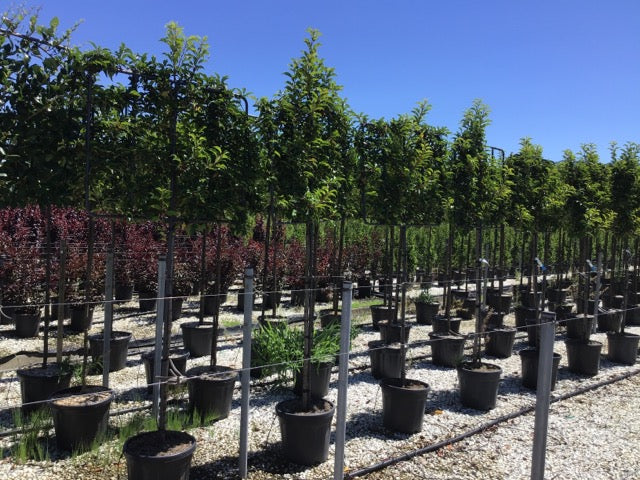
In large-scale schemes, the reliability of supply and the consistency of stock are critical factors that directly impact the success of a project.
Choosing Trees for Commercial Landscaping Projects
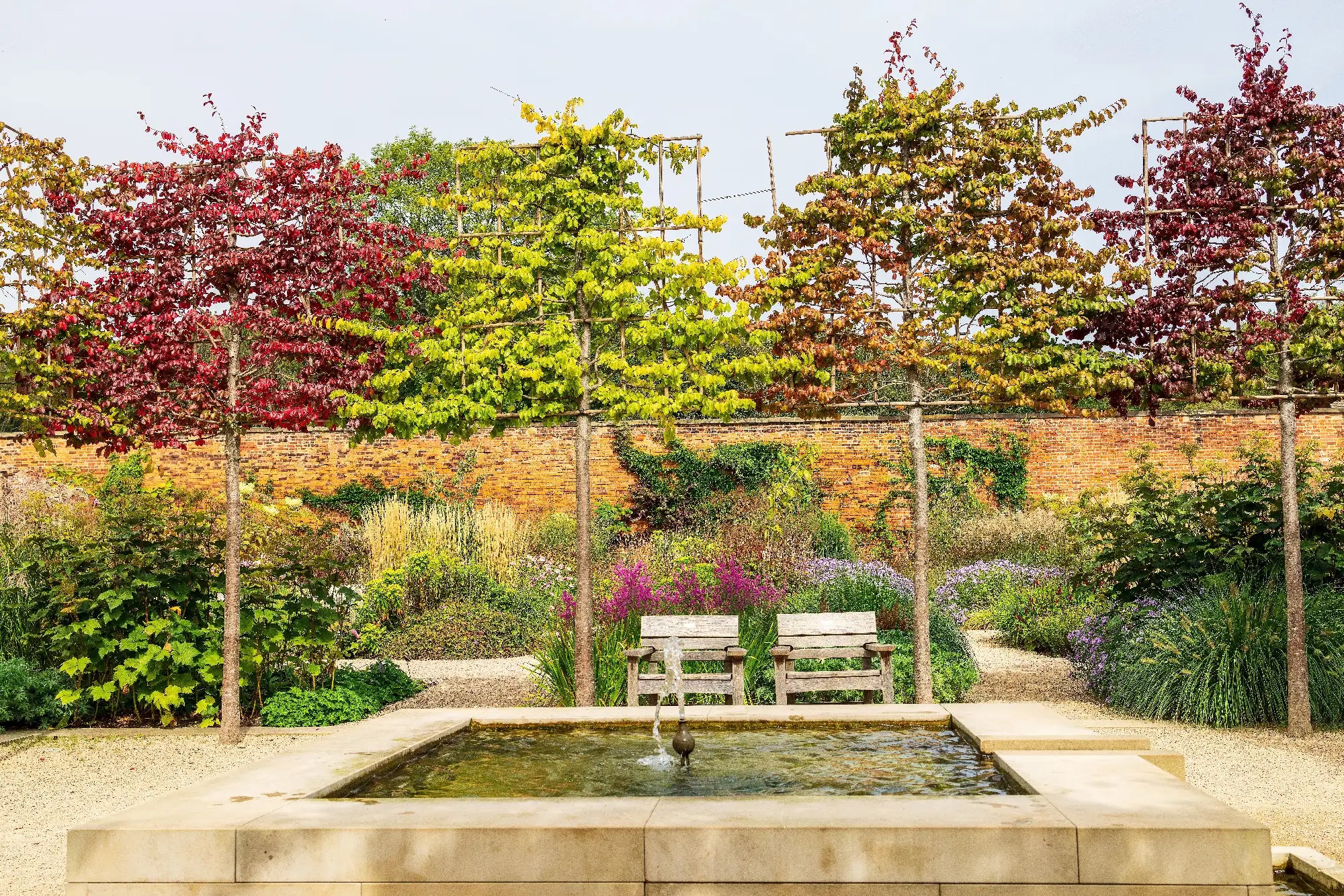
Starting a commercial landscaping project is about more than just hard materials like concrete and glass. The right planting scheme can completely transform a space, softening harsh architecture and creating an environment that feels welcoming and functional.
What to Plant in Spring: Best Trees and Hedging for the Season
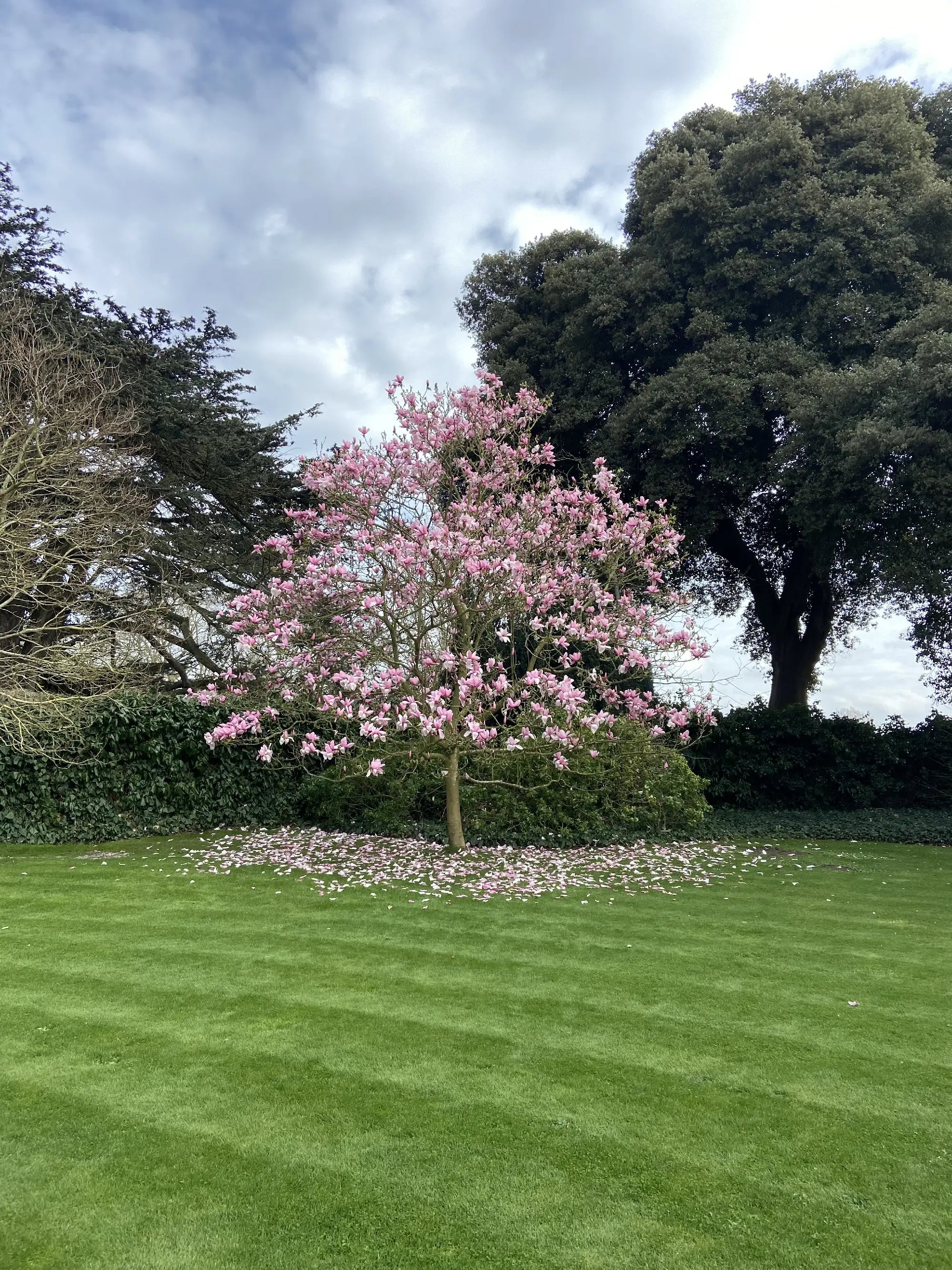
At Tree Heritage Nursery, spring is one of the most rewarding times of year. Planting during this season allows trees and hedging to establish while the soil retains natural moisture and the air temperature is gradually increasing. This combination creates ideal conditions for root development before the stress of summer arrives.
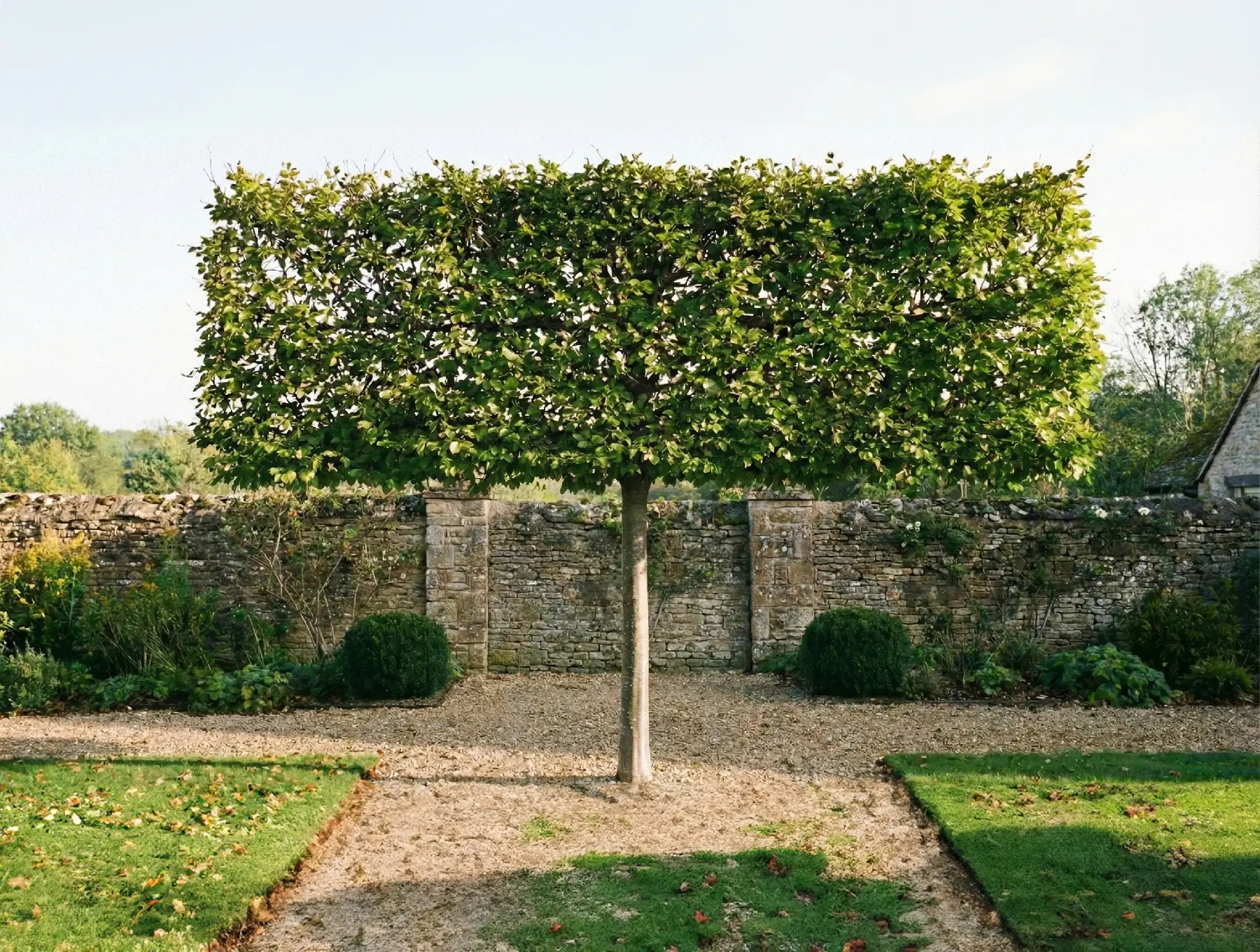
Pleached Trees Explained: The Ultimate Guide to Garden Screening
Creating a sense of privacy in a modern garden can often feel like a challenge, especially when new developments or neighbouring windows overlook your outdoor space. While traditional fencing has its place, many homeowners are increasingly looking for a more natural and visually appealing way to soften boundaries and introduce greenery.